
Choosing the Right Crypto Wallet for Your Bitcoin
Entering the world of Bitcoin starts with a wallet. Many newcomers assume that a wallet stores coins the same way a leather wallet stores cash. In reality, a crypto wallet stores the private keys that let you sign transactions on the blockchain. The blockchain itself records the balance; your wallet simply holds the credentials needed to move it.
If you are looking for a flexible, multi-asset starting point that supports Bitcoin and other digital currencies, a best bitcoin wallet solution can be a practical option. Before you download the first app you find, however, it is worth understanding the trade-offs between convenience, security, and control.
What Is a Crypto Wallet?
A crypto wallet is software, hardware, or even paper that manages your public and private keys. Your public key, or more commonly the address derived from it, works like an account number: anyone can use it to send funds to you. Your private key is the secret signature that proves ownership and lets you spend those funds.
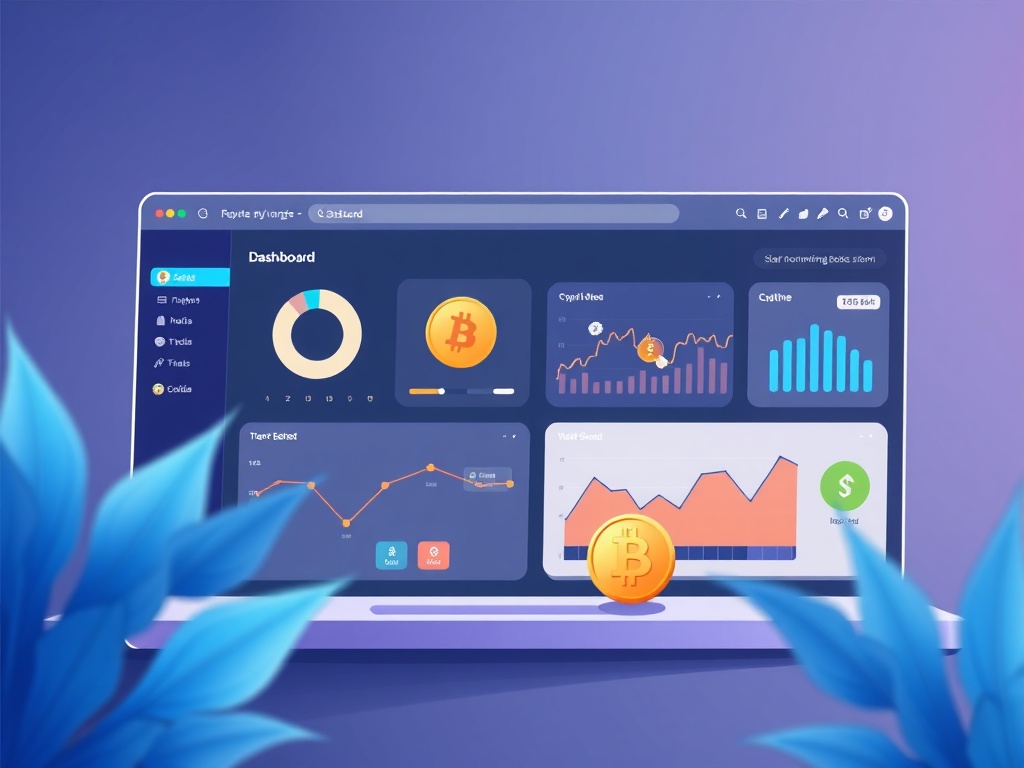
Because the wallet contains the keys that control your Bitcoin, its security is paramount. Lose the private key, and you lose access to the funds. Have the key stolen, and the thief can move the Bitcoin anywhere. Modern wallets make this easier to manage by displaying balances, generating new addresses for privacy, and sometimes offering built-in swaps or staking features.
Main Types of Crypto Wallets
Wallets are usually grouped by whether they are connected to the internet.
Hot Wallets
Hot wallets run on internet-connected devices. They include mobile apps, desktop programs, browser extensions, and web-based interfaces. These wallets are convenient for daily use, quick trades, and small payments. They also tend to have polished interfaces and integrations with exchanges or decentralized applications.
Because hot wallets are always online, they are more exposed to malware, phishing, and device theft. They are best suited for everyday spending money rather than life-changing savings.
Cold Wallets
Cold wallets keep your private keys offline. Hardware wallets and paper wallets are the most common forms. Hardware wallets store keys on a dedicated device and sign transactions without exposing the key to your computer. Paper wallets are simply printed records of keys, kept physically safe.
Cold wallets are less convenient for frequent transactions but far more resistant to remote attacks. Most long-term holders keep the bulk of their Bitcoin in cold storage and move only small amounts to hot wallets when needed.
| Feature | Hot Wallets | Cold Wallets |
|---|---|---|
| Internet connection | Required | Not required |
| Best for | Daily spending, trading | Long-term savings, large holdings |
| Ease of use | High | Moderate |
| Risk of remote theft | Higher | Lower |
| Typical cost | Free or low-cost | Hardware purchase required |
| Multisignature support | Varies | Often available |
Custodial vs. Non-Custodial Wallets
Another key distinction is who controls the private keys.
A custodial wallet is managed by a third party, such as an exchange or app provider. The provider holds your private keys, much like a bank holds your account credentials. This setup is easy to use and often includes password recovery and customer support. The downside is that you must trust the provider to secure your funds and remain solvent.
A non-custodial wallet gives you full control of your keys. You become your own bank, which means there is no intermediary to freeze your account or limit withdrawals. It also means you are solely responsible for backups and security. The Consumer Financial Protection Bureau describes how these arrangements differ in its cryptocurrency overview (Consumer Financial Protection Bureau).
| Feature | Custodial | Non-Custodial |
|---|---|---|
| Key control | Service provider | User |
| Account recovery | Usually available | Depends on your backup |
| Censorship resistance | Lower | Higher |
| Counterparty risk | Present | Minimal |
| Best suited for | Beginners, frequent traders | Self-sovereign users |
Key Security Features to Look For
No wallet is perfect, but certain features reduce risk significantly. When evaluating options, prioritize the following:
- Open-source code that has been audited by independent security researchers
- Two-factor authentication or biometric protection for software wallets
- Strong backup and recovery tools, such as a twelve- or twenty-four-word seed phrase
- Encryption of private keys on the device
- Clear update history and responsive support from the developer
- Air-gapped signing for hardware wallets that never touch the internet
For practical guidance on backups, encryption, and offline storage, the Bitcoin.org security guide is a useful starting point (Bitcoin.org security guide).
How to Choose the Right Wallet for You
Your ideal wallet depends on how you plan to use Bitcoin. Ask yourself a few questions:
- Do I trade often, or do I buy and hold?
- How much am I comfortable storing on a connected device?
- Do I want full control of my keys, or would I prefer account recovery?
- Will I need access from a mobile device, desktop, or both?
- Is multisignature support important for shared funds or added protection?
Frequent traders may prefer a reputable hot wallet linked to an exchange for speed. Long-term holders usually combine a small hot wallet for spending with a hardware wallet for savings. If you manage funds for a family or business, a multisignature wallet can require multiple approvals before any transaction moves.
Common Mistakes to Avoid
Even a good wallet can be undermined by bad habits. Avoid these pitfalls:
- Storing large amounts in exchange accounts unless you are actively trading
- Taking screenshots of recovery phrases or storing them in cloud notes or email drafts
- Ignoring software updates that patch security flaws
- Downloading wallet apps from unofficial stores or unknown links
- Failing to test your backup by restoring it on a spare device before depositing significant funds
- Sharing your seed phrase with anyone, even someone claiming to be support staff
Final Thoughts
A crypto wallet is more than an app; it is the gatekeeper to your Bitcoin. By matching the type of wallet to your habits, choosing strong security practices, and keeping reliable backups, you can keep your funds safer while still enjoying the flexibility of digital assets.